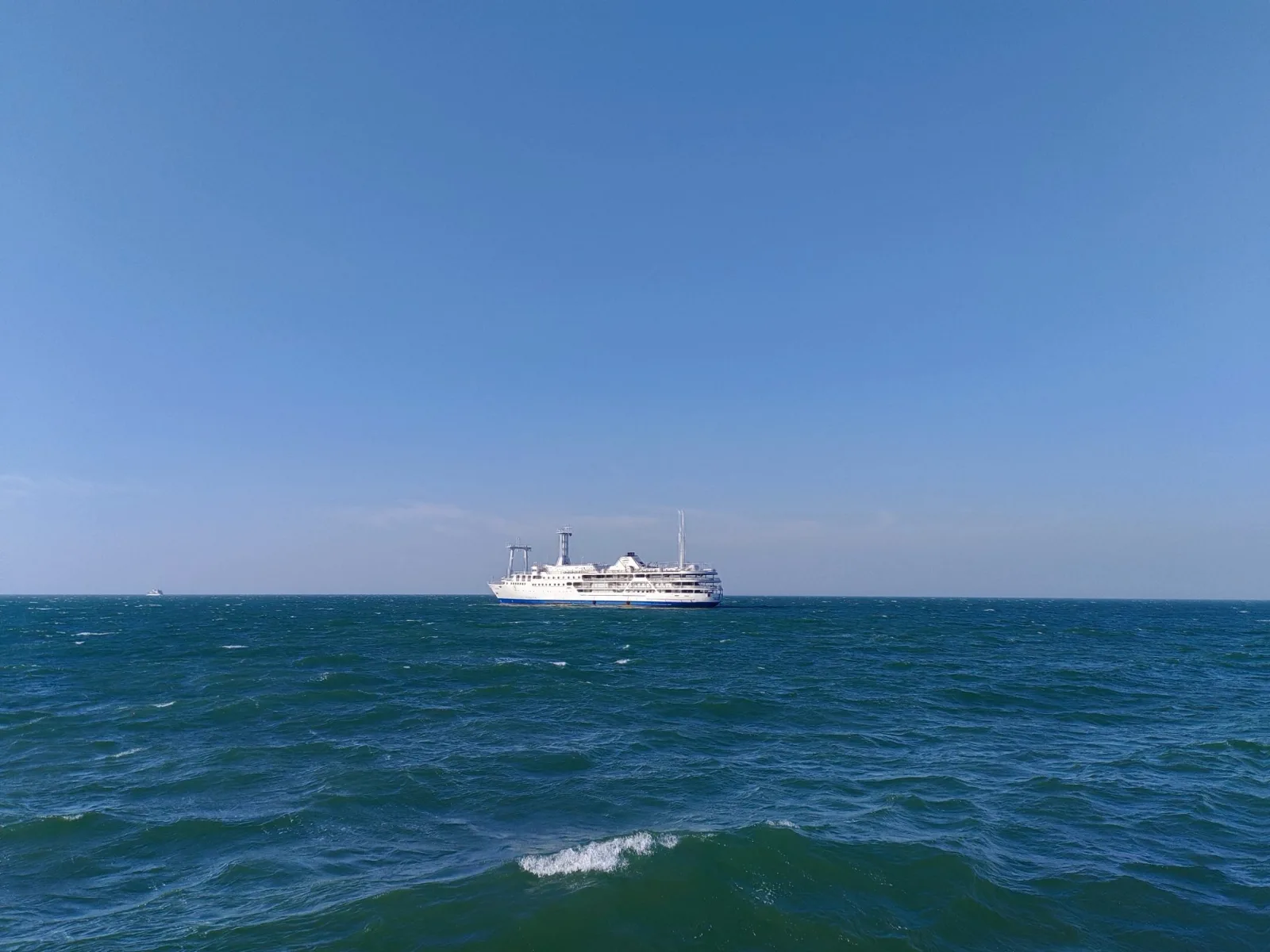
NORFOLK, November 4, 2026 — The world of ultra-luxury cruises has undergone a remarkable evolution in 2026. Once seen as a niche indulgence for retirees, these opulent voyages are now among the most sought-after forms of leisure travel, appealing to a growing demographic of ultra-high-net-worth individuals.
Shifting Demand in Ultra-Luxury Cruises
Leading cruise lines such as Regent Seven Seas, Silversea, and Crystal Cruises are witnessing unprecedented demand for their extensive multi-month voyages. Ticket prices for these extravagant experiences range from £88,000 to £149,000 per person, with luxurious owner suites exceeding an astonishing £800,000. Notably, these voyages—lasting anywhere from 130 to 180 nights—are selling out as much as 18 months in advance, resulting in waitlists at embarkation ports worldwide.
This increasing popularity highlights a significant shift in how affluent travelers approach leisure. Many are moving away from the fatigue and logistical challenges of overland travel, instead opting for the comforts of five-star experiences on water. By offering all-inclusive packages that integrate private flights, bespoke excursions, fine dining, and personalized service, ultra-luxury cruise lines present a compelling alternative to land-based vacations.
Understanding Pricing Structures
To grasp the financial appeal of ultra-luxury cruises, it is essential to compare their pricing to traditional cruise offerings. While mass-market cruise lines provide basic staterooms for £150 to £250 per day, these prices often lead to significant additional costs for various onboard amenities and services.
In contrast, ultra-luxury operators utilize an all-inclusive pricing model that can range from £600 to more than £2,000 per day. This comprehensive fee includes international business-class airfare, private transfers, all excursions, and unlimited fine dining, effectively shielding guests from the unpredictability of foreign currencies and local taxes.
The tiered pricing within ultra-luxury segments also reflects a range of suite sizes and exclusive amenities. Standard suites begin at around £85,000, while the most extravagant suites can exceed £800,000, often selling out first as bookings open.
Operational Excellence and Guest Experience
The success of ultra-luxury cruises can be attributed to their meticulous operational metrics. The ratio of passengers to crew is a key indicator; luxury ships often maintain a near 1:1 ratio, ensuring that each guest receives dedicated attention. This personalized service is exemplified by butlers who attend to every detail, from unpacking bags to organizing custom excursions.
Moreover, luxury vessels are designed to enhance guest experience through generous spacing. While large commercial ships allocate approximately 35-40 gross registered tons (GRT) per passenger, ultra-luxury ships may provide 70 or more GRT per guest. This translates into spacious accommodations, comfortable public areas, and fewer queues, creating an atmosphere of tranquility.
Comparing Costs: Cruise vs. Land-Based Travel
For high-net-worth individuals, a common inquiry is whether investing in an ultra-luxury cruise is more financially prudent than a corresponding land-based holiday. A hypothetical comparison of a 130-day luxury cruise against an equivalent five-star journey reveals significant financial advantages for the cruise option.
Luxury land travel requires high-end accommodations at prestigious hotels, with costs potentially rising between £130,000 and £325,000 for comparable stays. Additionally, the logistical expenses of transportation and dining can push total expenses outlandish costs into the range of £290,000 to £581,000.
In contrast, an all-inclusive world cruise offers a similar experience, bundling accommodations, fine dining, and excursions for £160,000 to £220,000 for two. This results in substantial savings while also eliminating the stress of constant travel logistics, enabling travelers to enjoy their time rather than worry about itineraries.
The New Face of Luxury Cruising
The demographics of luxury cruise passengers have evolved over the years. Historically, these voyages appealed primarily to retirees, but recent trends show a younger generation of affluent professionals aged 45 to 60 embracing long voyages as a means to blend work and leisure.
The rise in ultra-high-net-worth individuals, particularly in North America and Asia, has been a driving force behind this shift. Modern technology, particularly the advent of reliable satellite communications, has enabled these individuals to conduct business remotely while at sea.
Additionally, cruise lines are making significant investments in technology to attract this demographic, equipping vessels with high-speed internet and onboard meeting rooms. This advancement allows executives to maintain their professional commitments while enjoying the luxury of a cruise.
Shipbuilding Boom and Environmental Compliance
With the booming demand for ultra-luxury cruises, the industry is witnessing an unprecedented shipbuilding surge. Leading luxury cruise companies have pledged over £5.8 billion towards the construction of new vessels. These smaller, boutique ships can accommodate between 200 and 600 guests, prioritizing luxury and environmental compliance over sheer capacity.
New ships are being built with cutting-edge technologies, including dynamic positioning systems that mitigate environmental impacts. Such innovations enable these ships to navigate sensitive marine areas while adhering to stringent regulations without anchoring, thereby protecting marine ecosystems.
In summary, the ultra-luxury world cruise market is carving out a significant niche in the travel landscape, driven by a combination of demand for exclusive experiences, rigorous operational standards, and an evolving demographic. As more travelers seek leisurely jaunts that combine opulence with adventure, this segment is poised for further growth.
Tag: Cruises