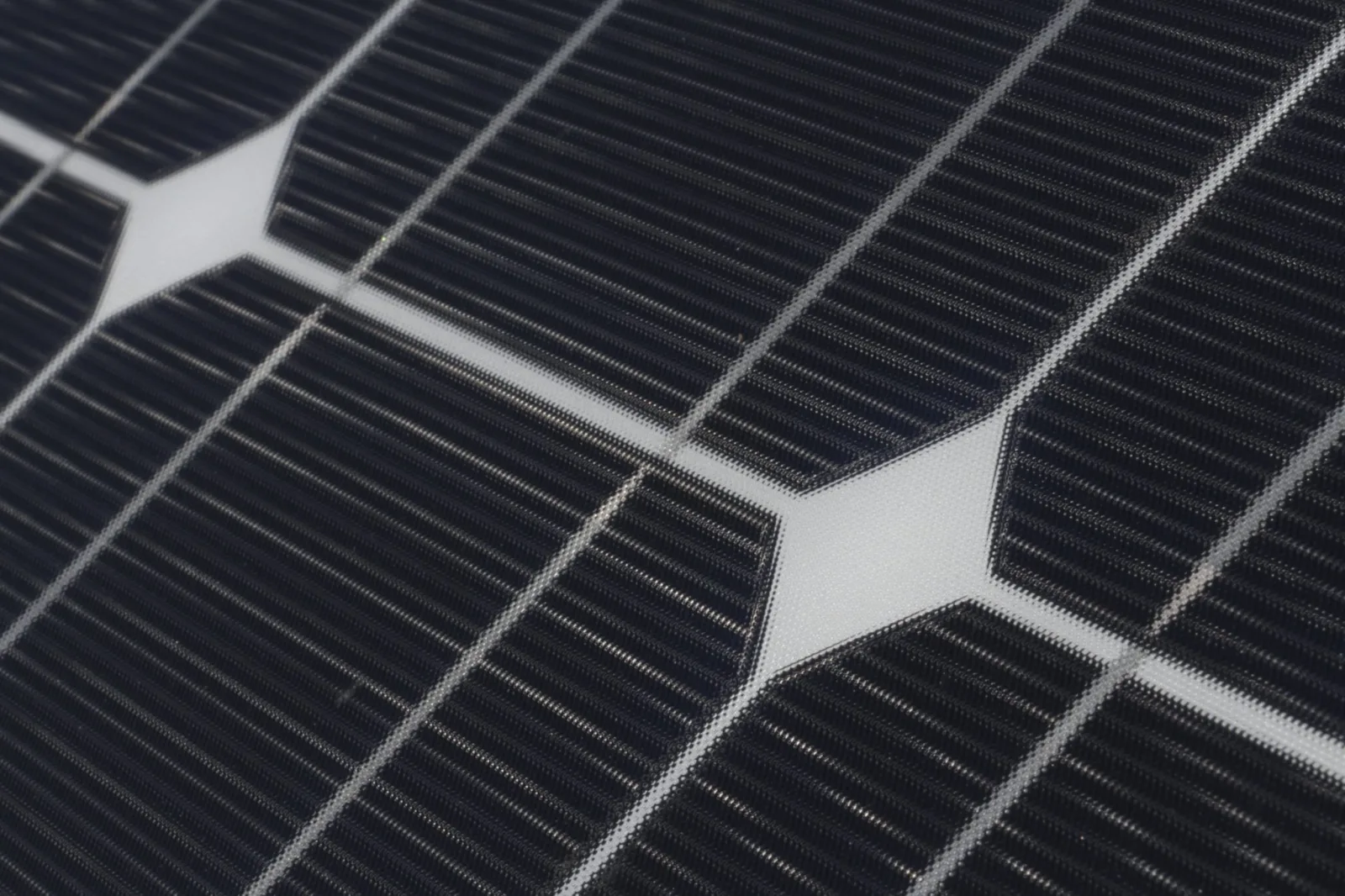
As the world pivots toward sustainable energy solutions, plug-in solar systems are gaining traction across the United States. These compact, user-friendly systems allow homeowners to harness solar power effortlessly, paving the way for significant savings on electricity bills.
The States Leading the Solar Movement
Currently, ten states have embraced plug-in solar technology, permitting residents to set up backyard solar installations without legal hurdles. This milestone reflects an emerging trend toward renewable energy. The states that have legalized such systems include:
- Utah
- New Jersey
- California
- Colorado
- Massachusetts
- New York
- Vermont
- Washington
- Oregon
- Connecticut
Homeowners in these regions can invest in versatile systems like the EcoFlow Stream, making use of clean energy with ease.
Ongoing Efforts Across the Nation
Besides the ten states that have legalized plug-in solar systems, around 24 others are actively working to pass similar legislation. Some proposed bills are currently on hold and are set to resume discussions in future legislative sessions, causing delays in potential solar implementation.
Promising developments can be seen in states such as:
- Massachusetts - Bills H.5175 and S3143 are advancing.
- New York - The SUNNY Act is waiting for gubernatorial approval.
- Michigan, Ohio, Pennsylvania, and others are reviewing various proposals.
Yet, some states, including Alaska, Arizona, and Iowa, have stalled their legislative progress, dragging it out to 2027.
Challenges to Widespread Adoption
Despite the momentum in some regions, the path to wider adoption isn't without obstacles. Plug-in solar proposals have faced rejections in states like Georgia, New Mexico, and Oregon, necessitating future legislative efforts to revisit these issues and better address prior concerns.
Homeowners keen on investing in plug-in solar should be aware that even in states where it’s legal, various local regulations may pose challenges. For instance, landlords and homeowners' associations (HOAs) may impose restrictions on installations. While progress is being made to empower homeowners, existing laws could still limit their options.
The Legal Landscape and Safety Considerations
The legality surrounding plug-in solar systems often stems from electrical safety regulations. Conventional household systems aren't typically designed to receive power from a residential outlet, unlike professionally installed rooftop solar systems. Such systems channel energy through a circuit breaker, ensuring safer energy flow.
In a plug-in solar setup, power is directed straight into an outlet, which raises safety issues regarding electrical load. This method could potentially allow more current than the breakers are intended to handle, underscoring the need for careful regulation.
Another significant factor is the potential financial impact on utility companies. If plug-in solar becomes widespread, it could lead to decreased electricity sales, prompting resistance from utility providers who may perceive this shift as a threat to their revenue streams.
Looking Ahead
With increasing interest in sustainable energy and the convenience that comes with plug-in solar solutions, energy policies will likely need to adapt in response to changing consumer demands. The legalization of such systems in several states marks an important step toward broader acceptance of alternative energy sources, ultimately fostering a more sustainable future for the nation.
Tag: Airlines